
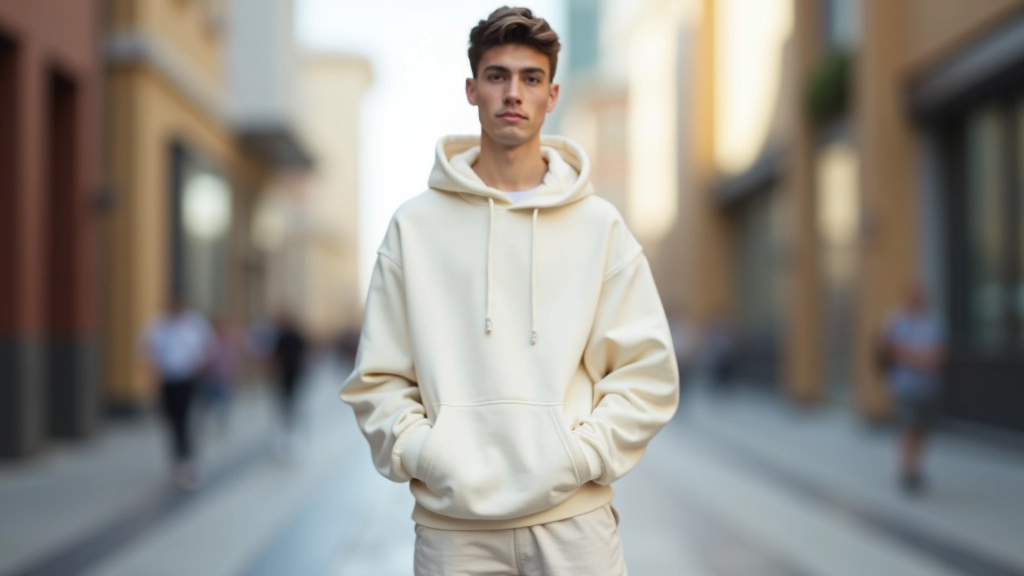
Oversized Hoodies and Chunky Trainers: The Turkish Streetwear Uniform
Learn how young Turks style the essentials—oversized silhouettes paired with statement sneakers for a confident, relaxed look.
Read MoreMaster the art of seasonal layering with oversized silhouettes, technical fabrics, and strategic proportions. From breezy summer evenings in coastal Turkish towns to crisp autumn days in Istanbul's bustling neighborhoods.
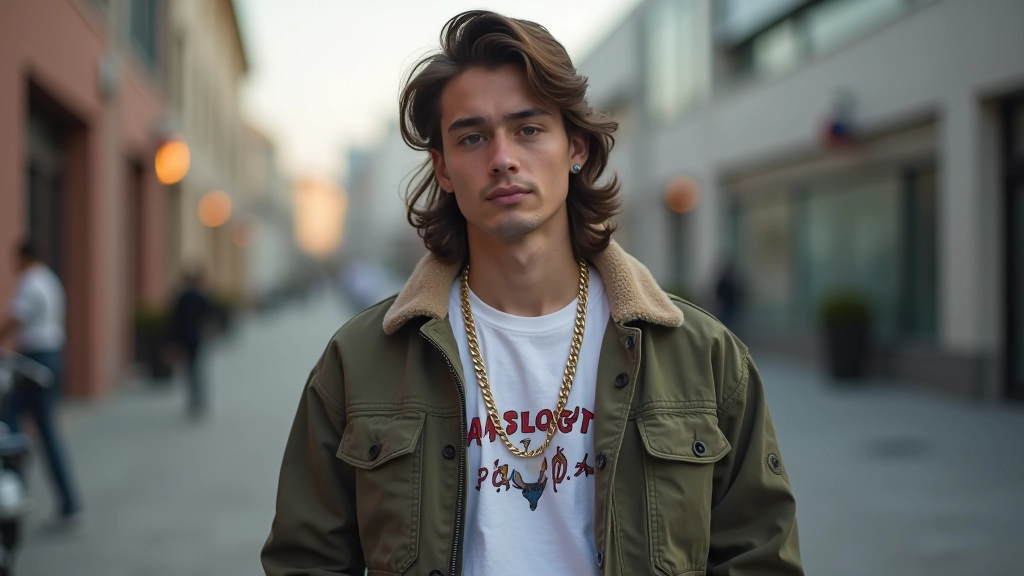
Layering isn't just a practical response to changing temperatures—it's the backbone of modern streetwear. When you stack pieces thoughtfully, you're creating depth, visual interest, and a silhouette that feels intentional rather than accidental. Turkish youth have mastered this. They're layering graphic tees under oversized shirts, adding lightweight bombers over tanks, mixing textures that shouldn't work together but absolutely do.
The real skill isn't about quantity. It's about understanding proportions. An oversized outer layer needs a fitted base. A chunky graphic tee needs a sleek overshirt. A baggy hoodie balances best with tapered pants or slim track bottoms. You're building a visual story with every layer, and that's what separates someone who's just wearing clothes from someone with actual style.
Balance oversized pieces with fitted ones. If your outer layer is loose, keep your base or bottoms more structured.
Cotton, denim, technical fabrics, mesh—mixing textures creates visual depth and makes simple outfits feel sophisticated.
Stick to 3-4 colors maximum. Neutral base plus one accent color keeps things grounded even with multiple pieces.
Summer in Turkey's coastal cities means warm evenings that cool down fast. You're not layering for warmth here—you're layering for aesthetic and those temperature drops after sunset. This is where lightweight fabrics become your best friend. Think linen shirts worn open over fitted tanks. Oversized tees layered with translucent short-sleeve shirts. Mesh tops that show what's underneath.
The key is avoiding bulk. A cropped tank under a oversized linen button-up works. A fitted long-sleeve mesh tee under a sleeveless graphic works. But two thick cotton tees? That's just uncomfortable. You'll see Turkish streetwear enthusiasts playing with proportions here—cropped tops revealing just enough skin, layered with longer unbuttoned overshirts that create lines and movement.

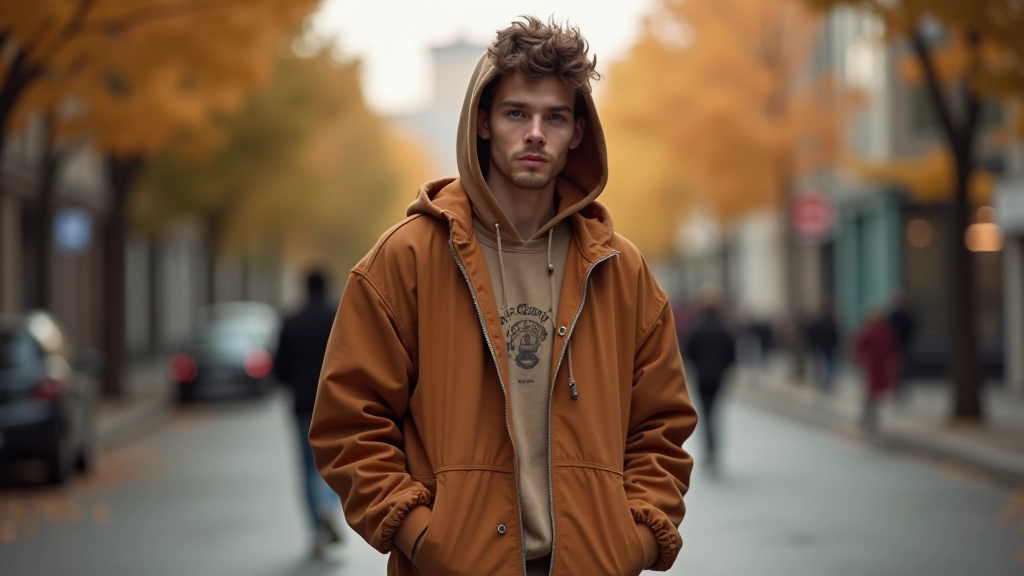
Autumn is when Turkish street style really comes alive. You've got temperature swings—warm afternoons cooling into crisp evenings—and that's exactly when layering becomes both functional and visually stunning. This is the season where you're stacking three, sometimes four pieces and it looks effortless.
Start with a fitted long-sleeve tee (basic crew neck works perfectly). Add an oversized graphic tee or vintage band tee over it. Then throw on an oversized button-up shirt or overshirt—left unbuttoned or worn loose. Top it off with a chunky hoodie or lightweight jacket. The proportions matter tremendously. If everything's loose, you'll look shapeless. That fitted base tee is crucial. It anchors the whole outfit and gives definition to the silhouette.
Color-wise, autumn gives you permission to get interesting. Warm earth tones—rust, burnt orange, cream, chocolate brown—mixed with blacks and dark greens create depth. Don't match perfectly. A charcoal tee under a burgundy overshirt works. Cream long-sleeve under a forest green hoodie works. The slight contrast makes the layers visible and intentional.
Deepen your understanding of Turkish streetwear culture and urban fashion trends.
Learn how young Turks style the essentials—oversized silhouettes paired with statement sneakers for a confident, relaxed look.
Read More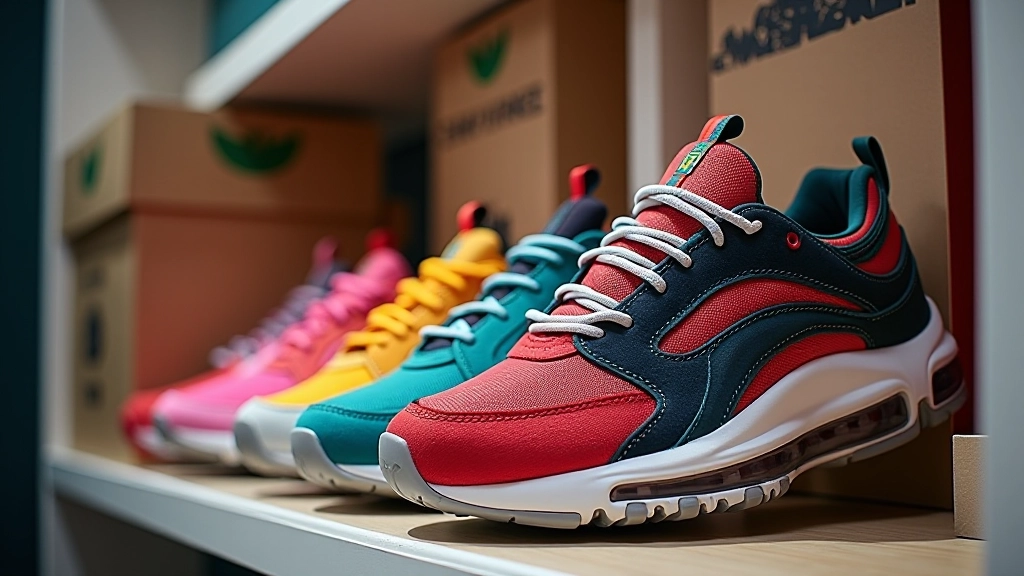
Discover how sneaker drops drive Turkish youth fashion. From local collaborations to international releases.
Read More
Meet the designers and creators building Turkey's independent fashion movement with original designs and authentic vision.
Read MoreWinter layering is where you get strategic. You need warmth, but you also need to avoid looking like a marshmallow. The trick is using technical fabrics that insulate without adding bulk. Start with a fitted thermal or merino base layer. Add a mid-layer—this could be a slim-fitting sweater, a lightweight fleece, or a fitted hoodie. Then your outer layer is where personality shines. An oversized puffer jacket, a vintage leather jacket, or a long wool coat.
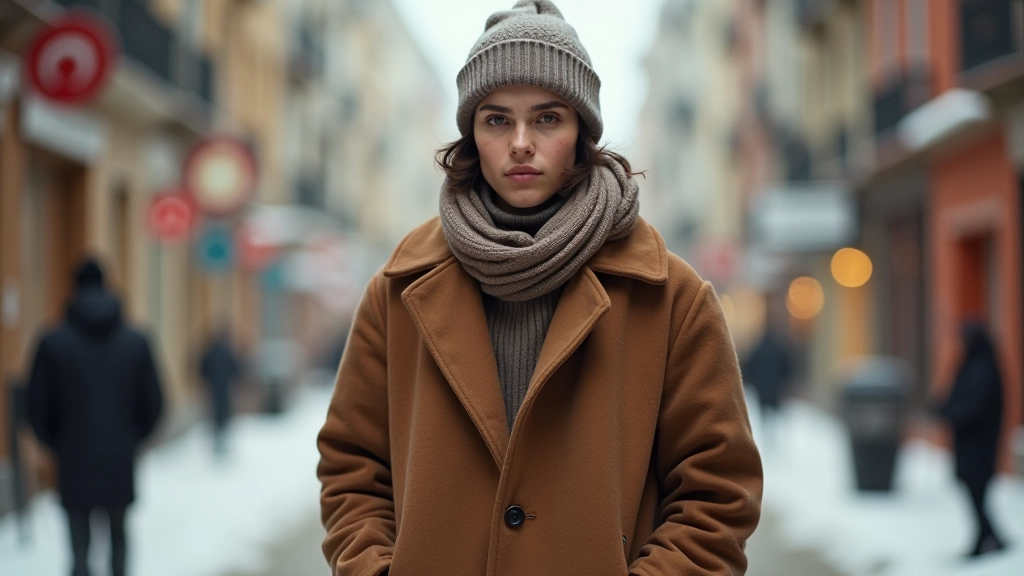
Turkish winters, especially inland in Ankara or eastern regions, get genuinely cold. That's why you'll see serious layering in these cities. But it's never clumsy. A fitted black turtleneck under a oversized camel wool coat. A slim gray hoodie under an oversized brown puffer. The silhouette stays clean because the proportions are balanced. Your base is fitted. Your mid-layer adds subtle bulk. Your outer layer is oversized but not drowning.
Accessories matter too. Beanies, scarves, and gloves aren't just functional—they're part of your layering story. A bulky knit beanie with a slim puffer and cropped pants creates intentional proportions. A long scarf adds vertical lines that elongate and refine your silhouette.
Pair a cropped or shorter top with a longer overshirt. A cropped graphic tee under an oversized button-up creates visual breaks and shows intentional proportioning.
Always start with a fitted or slim base layer. This anchors your silhouette and prevents the entire outfit from looking baggy and shapeless.
Combine different textures—smooth cotton with textured knit, matte with subtle sheen. This creates visual interest even with a limited color palette.
Let inner layers show slightly. A contrasting color peeking from under your overshirt or at the collar adds intentionality and breaks up solid blocks of color.
If you're wearing an oversized jacket and oversized pants, make sure your top layers are more fitted. Balance loose with structured.
Vary sleeve lengths. Long sleeves under short sleeves, or rolled long sleeves showing fitted wrists. This creates visual complexity and looks deliberate.

Layering isn't complicated once you understand the fundamentals. Fit matters. Proportions matter. Colors and textures matter. Start simple—fitted base, loose mid-layer, structured outer piece. Build from there. You don't need a massive wardrobe. Smart layering actually makes a small collection work harder across seasons. That one oversized shirt works over summer tanks, with autumn hoodies, and under winter jackets. One piece, three seasons, endless combinations.
Turkish streetwear creators have figured this out. They're not following trends blindly. They're understanding proportions, respecting their silhouettes, and mixing pieces intentionally. That's the difference between looking styled and just looking like you got dressed. Start observing how pieces interact. Notice which combinations feel intentional. Pay attention to how fitted and loose pieces balance. Once you develop that eye, layering becomes second nature, and you'll have options for every season and every temperature change.
This article provides educational information about streetwear styling techniques and layering practices. Fashion choices are personal and subjective. The tips and approaches discussed here are based on contemporary Turkish streetwear culture and general styling principles, not prescriptive rules. Individual body types, preferences, and cultural contexts vary. We encourage you to adapt these layering techniques to suit your own style, comfort, and the specific climate where you live. Fashion should feel authentic to you.