
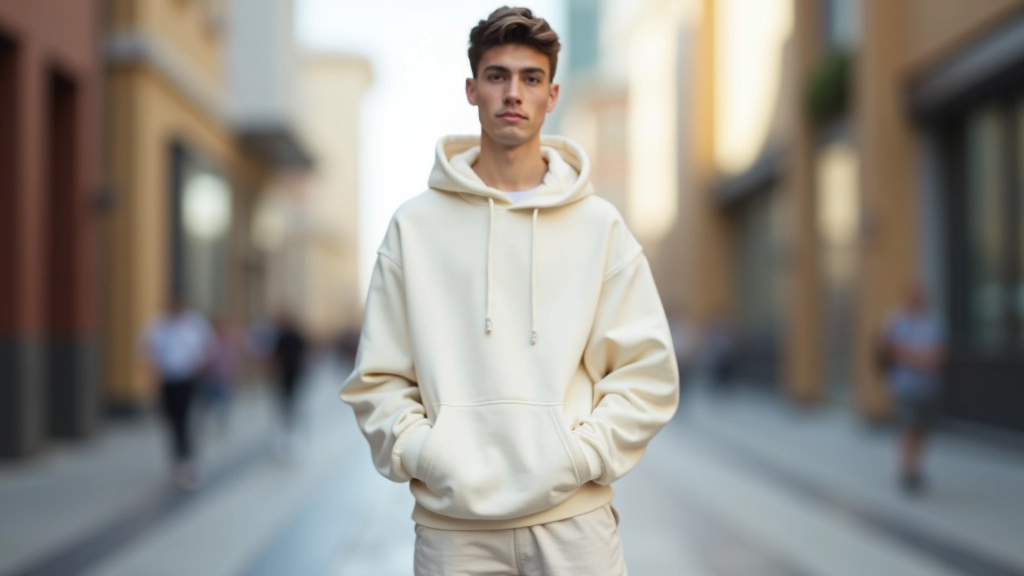
Independent Turkish Urban Fashion Creators Shaping the Scene
Meet the designers, stylists, and entrepreneurs building Turkey's streetwear movement from the ground up. Their stories, inspirations, and impact on urban fashion culture.

The Rise of Independent Creators in Turkish Streetwear
Turkey's streetwear scene isn't driven by international brands anymore. It's the independent designers, small-batch creators, and DIY entrepreneurs who're shaping what young Turks actually wear. From Istanbul's Beyoğlu district to Ankara's emerging design hubs, these creators blend global influences with distinctly Turkish sensibilities.
What makes this movement different? It's authentic. These aren't corporate-backed projects or trend-chasing franchises. They're people who grew up wearing oversized hoodies and chunky trainers, studied design, and decided to create the pieces they couldn't find anywhere else. The impact's been massive — independent brands now drive conversations about what Turkish streetwear actually looks like.
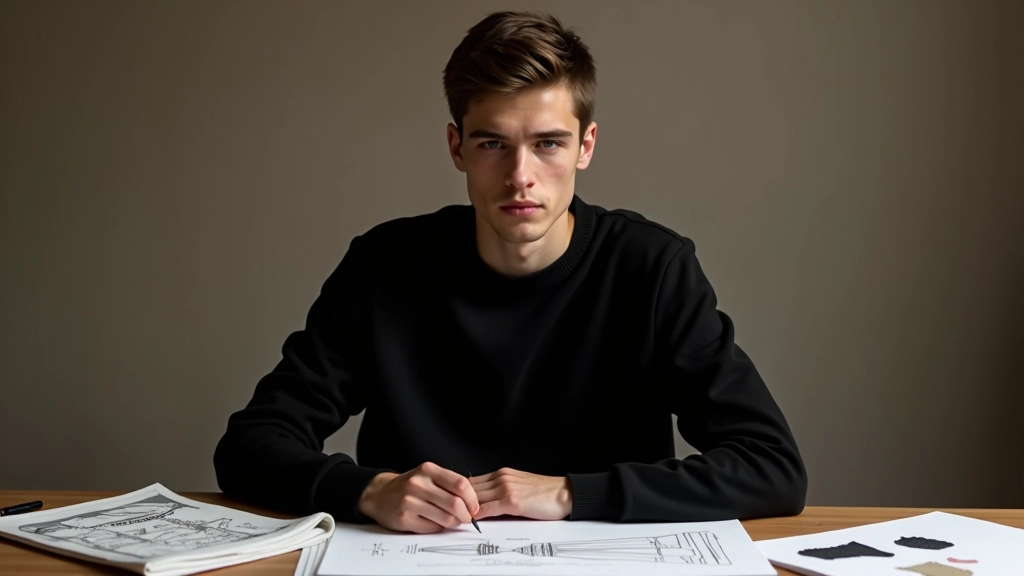
Key Figures Driving the Movement
These are the independent creators who've built recognizable brands without major backing. Each one brings something different to Turkish streetwear.
Alp Çiçek
Founder, Kırmızı Collective
Started with screen-printed graphics on vintage hoodies. Now produces limited drops of oversized silhouettes that sell out within days. His approach: keep production small, quality high, and stay connected to the community.
Zeynep Tunçay
Stylist & Consultant
Doesn't make clothes — she teaches others how to wear them. Through styling guides and collaborative projects with emerging designers, she's become the person young Turks turn to for layering advice and seasonal outfit breakdowns.
Mert Özyılmaz
Sneaker Customizer & Artist
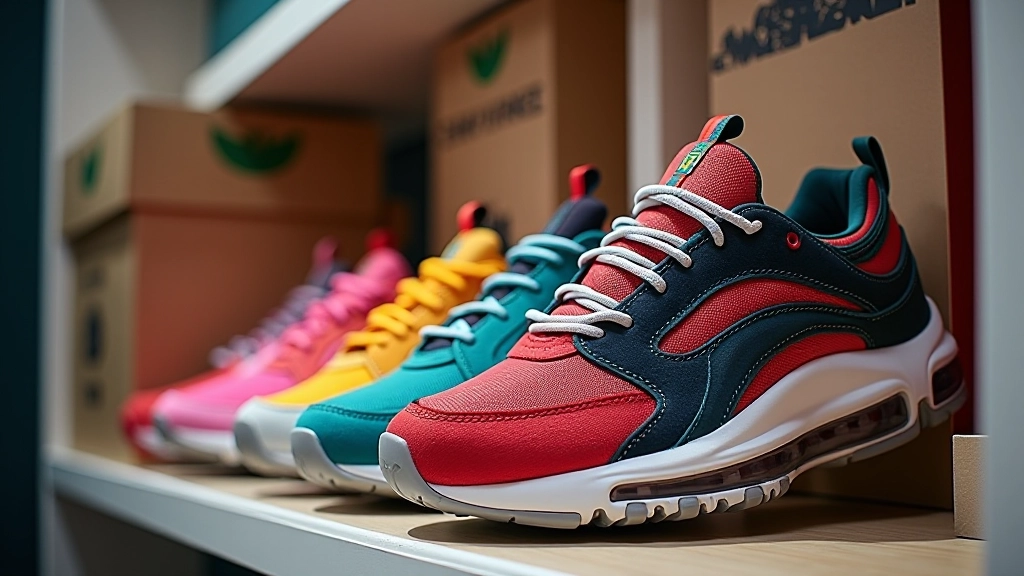
Transforms standard trainers into unique pieces through hand-painting and restoration. His custom work's become so sought-after that he's got a waiting list. Works primarily from a small studio in Galata.
How They Build Brands on Their Own Terms
Independent Turkish creators aren't following a standard business playbook. They've developed their own strategies that rely on community, authenticity, and smart use of limited resources.
01
Limited Drops Over Mass Production
They're not trying to be everywhere. Small batches — sometimes just 50-200 pieces per design — create scarcity and keep things feeling exclusive. This approach also keeps costs manageable for emerging creators.
02
Community-First Marketing
Instagram DMs, WhatsApp groups, and in-person meetups drive awareness more than paid ads. When someone buys from an independent creator, they're joining a community. That loyalty converts better than any algorithm.
03
Collaboration Over Competition
You'll see independent designers doing joint projects, co-branded pieces, and creative exchanges. They're lifting each other up rather than fighting for the same space. It's made the entire scene stronger.
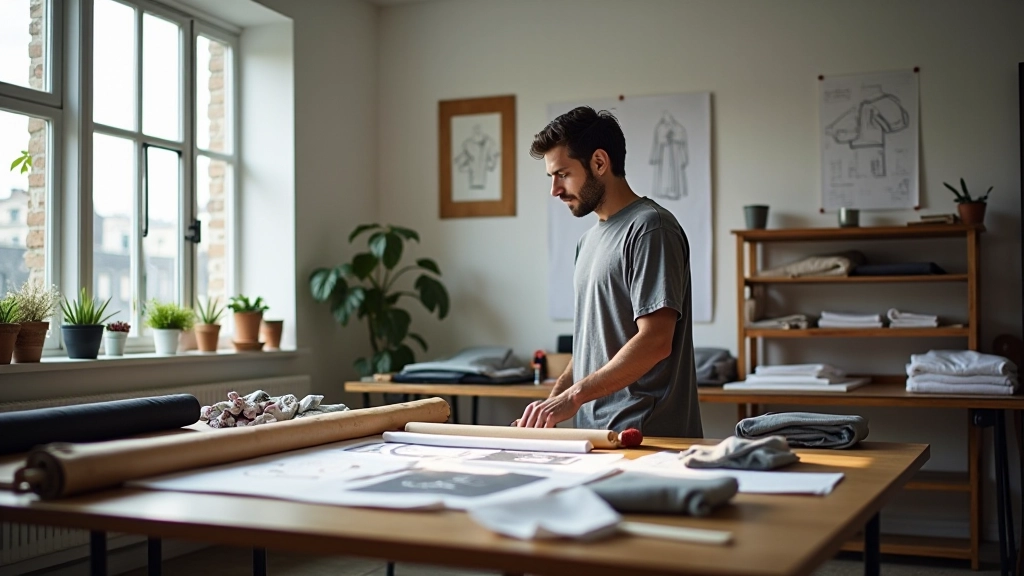
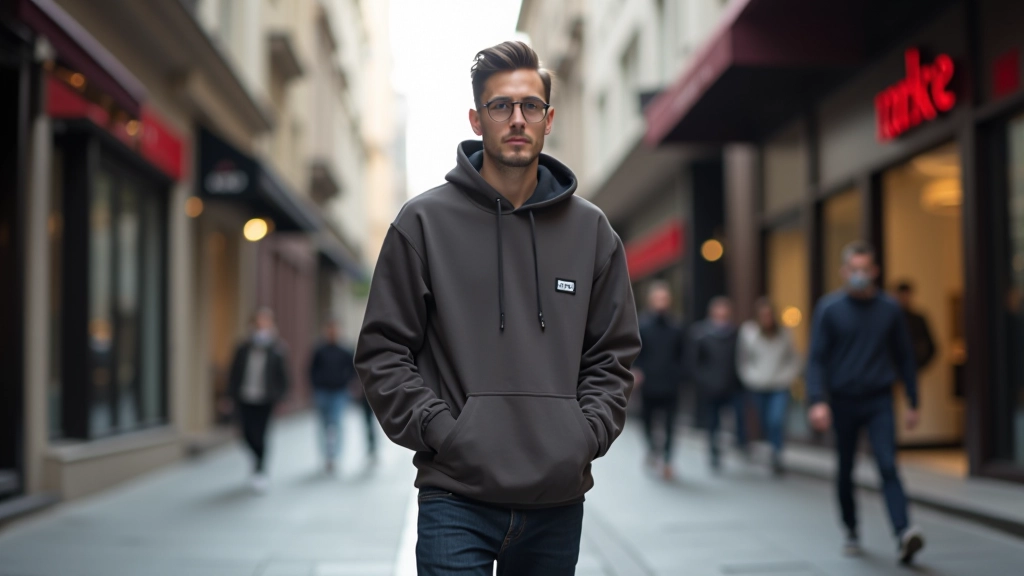
Real Obstacles Independent Creators Face
Running an independent fashion brand in Turkey isn't simple. There're genuine challenges that don't get talked about enough.
Manufacturing costs eat into margins. Finding reliable local manufacturers who'll work with small orders is harder than it sounds. Some creators outsource to international factories, but that adds complexity and time to production.
Distribution remains fragmented. Without physical retail partnerships, creators rely entirely on direct sales through social media and pop-up shops. That's exhausting and limits how many people discover their work.
Copycat designs are frustrating. It happens fast — a designer launches something original, and within weeks, cheaper versions appear on marketplace sites. Protecting intellectual property when you're small and underfunded is nearly impossible.
Despite these obstacles, they keep going. The passion for building something authentic outweighs the difficulties.
Cultural Impact Beyond Fashion
Independent Turkish creators aren't just selling clothes. They're shaping how young people think about identity, creativity, and what's possible when you decide to build something yourself.
Inspiring DIY Mentality
They've shown that you don't need investment capital or industry connections to launch a brand. That's inspired dozens of younger creators to start their own projects.
Building Genuine Community
Unlike corporate brands, independent creators build actual relationships with their customers. People aren't just buying — they're participating in a movement.
Defining Turkish Aesthetic
They're actively creating what "Turkish streetwear" means. Instead of importing trends, they're exporting their own vision globally.
Creating Economic Opportunity
They're employing manufacturers, photographers, and other creative professionals. The ecosystem creates jobs beyond just the creator themselves.
Continue Exploring Turkish Streetwear

Important Notice
This article is informational and educational in nature. The information provided reflects observations and reporting about Turkish streetwear culture and independent creators. Individual experiences, market conditions, and creative outcomes vary widely. Readers interested in starting their own fashion ventures should conduct thorough market research, understand local regulations, and seek professional advice as needed. Names and details about creators are based on publicly available information and community knowledge current as of March 2026.